
Pharmaceutical training development has to reach a stretch of the run that training records never touch: the pause where a person on the floor decides whether the thing that just happened counts as a deviation. Every control you have meets at that pause, and almost no GMP training ever practices it. We build custom pharmaceutical training with your quality unit, from your own SOPs and deviation history, aimed at that decision and at everything the batch carries into it and out of it.
Key takeaways
- A signed read-and-understand record is real evidence, and it proves exactly what it says: the procedure was read. Quality events start where the procedure stops describing the run.
- The costliest judgment on a pharma floor is usually made alone, by the person whose own initials are on the setup, while a batch the schedule depends on waits for the answer.
- A manufacturing call, a clinical outcome, and a pharmacovigilance report can be one event on three desks, and most programs prepare each desk separately.
- Every regulatory specific in the training comes from your quality team and your deviation files. We bring the training and scenario design. The GMP expertise stays yours.
Why do quality events keep happening on lines where every training record is signed?
Third lot of the campaign, night fill. The pressure trace on the filler is running a little rough, still inside limits, and the operator watching it initials the step in the batch record because the step was done and done right. The record asks whether the step was performed. It has no field for the thing she actually noticed, which is that this lot doesn’t feel like the last two.
Her training file would survive any audit you pointed at it. She read the SOP at hire and at every revision since. She signed for it. She passed the annual GMP assessment. Every review of that file reaches the same conclusion: trained. And the conclusion rests on solid ground. Documented training is what the regulation asks for. A signature is something an inspector can verify. No quality system could run on anything less checkable, and whoever built your program around those records built it on what the whole industry agrees evidence looks like.
Here is what the file cannot hold. A signed line certifies that the procedure was read, not that the judgment exists for the run the procedure never described. An SOP documents the process working. Deviations, by definition, begin just past the edge of that description, and the edge is exactly where the signed, current, fully assessed operator is on her own.
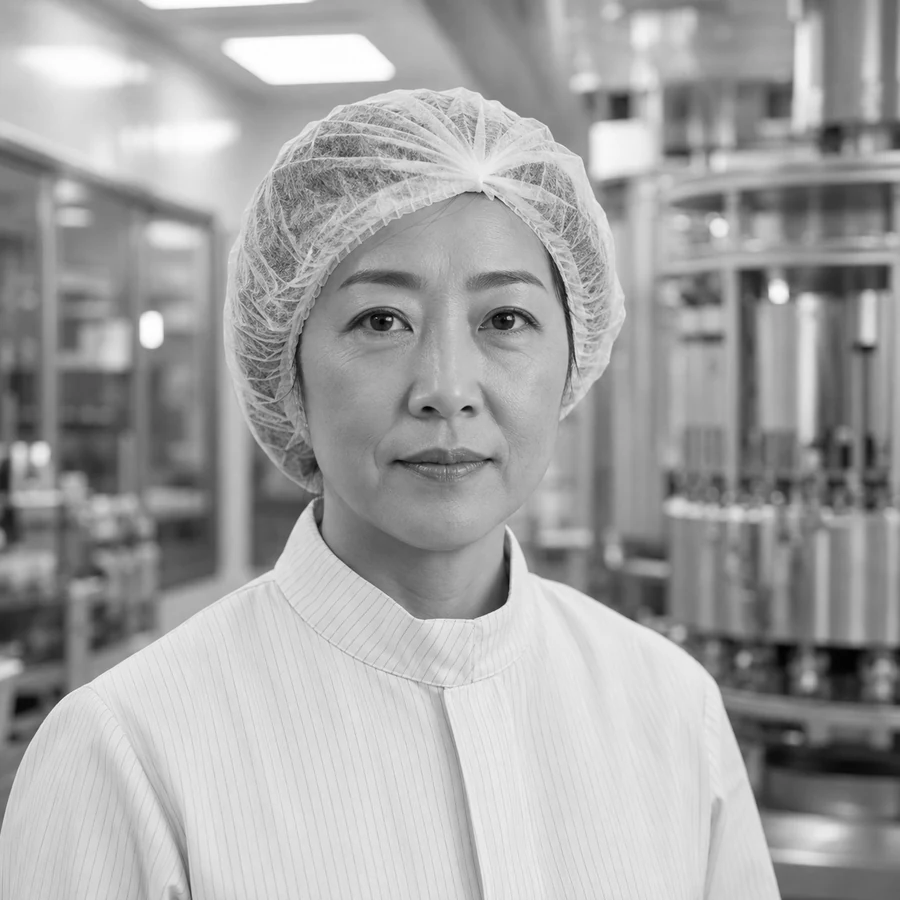
What happens in the pause before a deviation gets written?
Consider what the decision costs the person making it. A process engineer sees a hold time that ran long across a shift change, late in a campaign, on a batch the site plan is counting on. Declaring a deviation stops that batch. It opens an investigation into a setup he approved himself. It hangs a question over the validated state of the process that will outlive this lot and touch the next one. Declining to declare means agreeing with himself that the excursion was immaterial, which, on the data in front of him, it probably was.
He isn’t hiding anything. He is doing what genuine ambiguity invites, which is reading the event down. Within normal variability. Covered by the allowance in the procedure. Worth watching on the next batch. Every one of those readings is reasonable, and every one is being made by the person with the deepest expertise on that step and the most to lose from being wrong about it. Your quality system can require the report. It cannot make "I think I just created a deviation" a cheap sentence to say with your own initials in it, and nothing in a read-and-understand file has ever asked anyone to say it out loud.
The batch record will eventually carry whichever version he chooses. The training that was supposed to prepare him ended long before the choosing started.
How do we build pharmaceutical training from your deviation history?
The build starts with the people who already know where these pauses live: your quality unit, your process engineers, your senior operators. They walk us through what you already hold. Which events took longest to surface. Which investigations concluded the report came late. Which SOP steps produce the same debate every campaign. That knowledge is theirs, the files stay yours, and every regulatory specific in the finished training comes from them. What we bring is the craft of turning it into practice.
Then the training follows the arc a batch actually runs.
Before the event. Recognition drills built from your own files, where the anomaly arrives the way it arrived in your plant: mid-step, inside limits, wearing the look of normal variation, on your equipment and your products. Noticing is a skill with its own practice requirement, and it can only be trained against the specific ways your process drifts.
The decision. Learners sit in the pause itself: a live batch in the scenario, data that reads two ways, their own sign-off in the setup history. They make the call and watch the consequences play out in both directions. They say the sentence out loud where it costs nothing. The design intent is simple to state: the first time someone lives this pause should be in practice, so the version with a real batch on the line is a repetition.
After the call. Drafting the opening of a deviation report while the details are fresh. Raising it to a supervisor in words that start an investigation without starting a defense. Working through what the investigators will need, so that being part of an investigation feels like procedure and stops feeling like exposure.
One thing that first pass through your files sometimes surfaces, and it changes the project when it does: a step that generates the same deviation debate every campaign may be a procedure problem. If your own engineers conclude the SOP cannot be run as written, the rewrite comes first, and the rewrite is theirs to do. We build training for the procedure your floor can actually run.
What connects manufacturing, clinical operations, and pharmacovigilance in one training problem?
A hold-time call made at two a.m. in a fill suite doesn’t stay in the fill suite. The lot ships to trial sites. A participant on that lot reports an adverse event. A pharmacovigilance assessor works the case with no idea a manufacturing judgment sits upstream of it, because nothing in her training ever showed her one. One event, three desks, three programs that have never met.
So we build scenarios that travel the way the event travels. The manufacturing decision becomes the backstory of the clinical scenario. The clinical outcome becomes the opening of the pharmacovigilance one. Each function practices its own piece while seeing what the desks on either side will do with it, and your SMEs from all three groups build the chain with us, because only they know how an event actually moves through your organization.
What makes pharmaceutical training effective on the run where it happens for real?
Effectiveness gets decided in one place: the run where it happens for real. The operator watching a rough trace at two a.m. either has lived that exact ambiguity before or she hasn’t, and everything the training was for comes down to which.
So the scenarios rehearse the instant itself. She has already watched this kind of drift develop, in practice built from your own deviation files. She has already made the call both ways and seen where each version goes. She has already said "this counts, and I’m writing it up" often enough that the sentence arrives pre-formed when the real trace goes rough. And the assessments ask what the floor asks: here is the trace, here is the batch record, here is what the shift knows. Does this count, and what do you do first? What that surfaces is the judgment itself, at the point where it will be used, which is a question a signature line was never built to answer.
Frequently asked questions
Do you bring GMP or FDA regulatory expertise?
No. Your quality unit, your engineers, and your operators supply every regulatory specific and every process fact in the training, drawn from your SOPs and your own deviation history. We bring training design and scenario craft, and we build with your SMEs from the first session. Any question that needs a GMP answer gets that answer from your people before a learner ever meets it.
We make devices, or we run a research lab. Is this the right page?
Probably a neighboring one. FDA device regulation, the 510(k) pathway, and the Quality System Regulation live on our medical device training page. Laboratory, research, and scientific-protocol work live on our life sciences page, and bedside clinical care has its own. This page is drug manufacturing and the chain around it: GMP, batch release, deviation reporting, clinical trial protocol compliance, pharmacovigilance.
Can scenarios use our actual products, equipment, and SOPs?
That’s the only version worth building. The ambiguity your people face lives in your process’s specific ways of drifting, and a scenario set in someone else’s plant asks your operator to translate the judgment on the way in and again on the way out.
What do we need to have ready?
Nothing polished. The deviation files as they are, the SOPs as written, and time with the people who know where the debates happen. A thirty-minute consultation is where we scope which of those matter first.
Start with the deviation that almost didn’t get filed
Back to the night fill, third lot, the trace running rough. The batch record in front of that operator hasn’t changed. There is still no field for what she’s noticing. What changed is her. She has watched this exact kind of drift before, in a scenario built from your own files. She has made the call with a batch on the line and nothing at stake, in both directions, and seen what each one sets in motion. So the pause still comes, but it comes to someone who has already been here, and the next entry in the batch record gets made by a person who has practiced making it.
That version of the pause is what we build. If your floor is still waiting for it, start with the event that almost went unwritten.