
Nonprofit training has to prepare people for a situation many corporate programs never encounter: two colleagues doing their jobs properly, reaching opposite answers about the same dollar, and both of them being right. We build custom practice around the calls that sit between what a client needs now and what a funder’s money is allowed to do.
The hard decision is often two careful answers in collision
A family needs a deposit on Thursday. The grant with money left in it is restricted to workforce services.
The program director says pay it. She is defending the mission: housing the family is why the organization exists.
The finance lead says hold. She is also defending the mission: the money is not the organization’s to move, and future funders will read the same books.
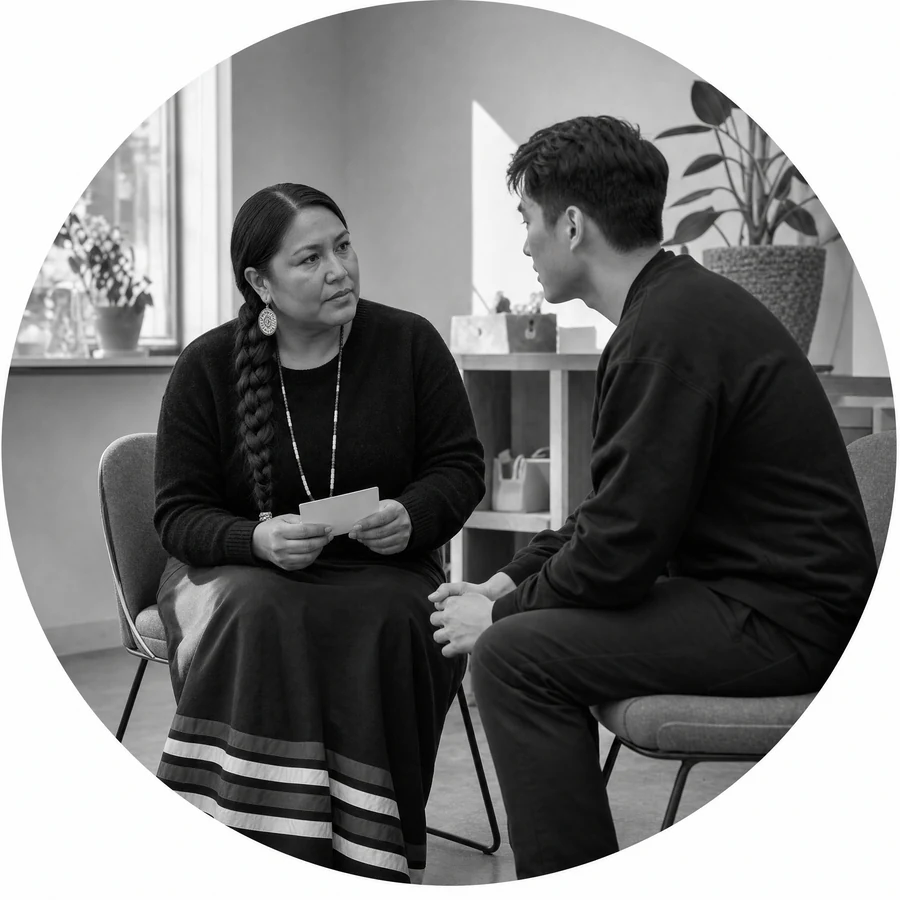
The person left between those positions may be a case manager with a client in the chair.
That call is not helped by training where one answer is careless and the other is obviously correct. The real skill is distinguishing two sympathetic, nearly identical decisions by the one detail that changes what the organization can do.
Restricted money can go wrong one reasonable charge at a time
A grant report is made of ordinary expenses: mileage for a home visit, supplies for a workshop, a portion of someone’s time, a bus pass, a phone bill. Each line may have a receipt and a sensible explanation. Nobody ever approves "a misallocation." Thirty individually defensible approvals can still add up to one.
The gap can also run in the other direction. A case manager who cannot quickly tell which fund covers a need may learn to decline first and ask later. Declining is the answer least likely to produce a finding. The client hears no, and the funder never sees the service that did not happen.
Your people are usually not missing care or respect for the rules. They need a faster, more confident way to tell two careful answers apart while the need is still in front of them.
Turn your settled and contested calls into different tools
ThinkingKap does not interpret your grant agreements or decide what a fund permits. Your finance lead, grants manager, program directors, and approved guidance hold that knowledge. We help extract the judgment they already use and turn it into something another person can apply under pressure.
Some questions feel difficult at the desk but become simple as soon as the grants manager answers them. Those do not need elaborate scenarios. They need a short decision aid in the language of your funds and programs.
Other questions still divide the program and finance sides after everyone understands the facts. Those are the scenarios worth building. Both positions should arrive with their full justification because that is how they arrive in real work. The learner makes the call, sees what follows, and practices the sentence that explains it to a client or colleague without sounding evasive or promising money the organization cannot use.
Both sides review the scenario before it ships. Where they agree, the organization has a decision it can teach. Where they still disagree, the scenario remains unfinished. A course cannot settle a policy question the organization has not settled.
Give volunteers a build that respects why they came
An experienced volunteer may know every family on a Saturday route and still complete an intake sheet the way she was shown six years ago. That sheet may feed a funder report, but the volunteer did not join the organization to fill out forms. Every minute spent on documentation feels like a minute taken from the people she came to serve.
Volunteer training should be short, sized to the shift, and written in the words people already use for the work. It can explain what a field is for, which two questions must be answered before the van leaves, and why those answers matter to the families on the route. Paid staff and volunteers may need separate versions because they have different access, time, context, and reasons for being there.
We can design the scenarios, assessments, and short reference content. Your systems, handbooks, or print process carry them to the people who need them.
Assess the distinction, not the learner’s ability to guess
A useful assessment can present two nearly identical situations: the same client, amount, week, and bus pass. In one version, the trip is to a job interview arranged through a workforce program. In the other, it is to a custody hearing that matters just as much to the family. Both choices are acts of care. Only one may fit that grant.
Move the detail, then see whether the answer moves with it. Ask the learner to name what changed the decision. That reveals whether the person can discriminate between cases instead of selecting the same familiar answer twice.
The evidence stays appropriately narrow: the learner recognized the relevant detail and applied the organization’s guidance in practice. It does not pretend that training alone can guarantee grant compliance, funding, or client outcomes.
Frequently asked questions
Is this the same as association or membership training?
No. Charitable nonprofits commonly work across grants, donors, clients, and frontline volunteers. Associations are organized around members, dues, boards, and often certification. The money, decisions, and volunteer roles create different training needs.
Can you address the tension between grant restrictions and client need?
Yes, using your organization’s agreements, approved interpretations, and real decision points as the source. We design practice around the collision; your people determine what each fund permits.
Can you build for volunteers as well as staff?
Yes. Volunteer content is usually shorter and designed around the shift, device access, and language of the work rather than copied from the staff program.
What is the smallest useful version?
Start with one contested call: the spending decision your program and finance teams see differently. It can become a small scenario set and the short reference content needed for the settled questions around it.
Bring us the spending call your team argues about most
We will want to know what each side was protecting, which detail settled the decision, and whether training is the right shape of help. That conversation is enough to define a useful first build.