
Association training answers to an audience that can leave. Member education, certification preparation, chapter leadership, and volunteer development have to be worth choosing by people who reconsider the relationship every year. The harder standard is whether the experience remains useful enough to name when the renewal notice arrives.
What did the member receive this year that they can name?
Association education is usually measured through attendance, ratings, catalog growth, and completion. Those figures answer real questions. They do not tell you what a member believes the year was worth.
A renewal notice can be paid quietly for years. Then one sits. Someone pulls the record and sees a long-time member who attended two webinars and a chapter meeting. Only then does the difficult question arrive: what did this person get from us?
A member does not renew a calendar of events. They renew a year they can account for.
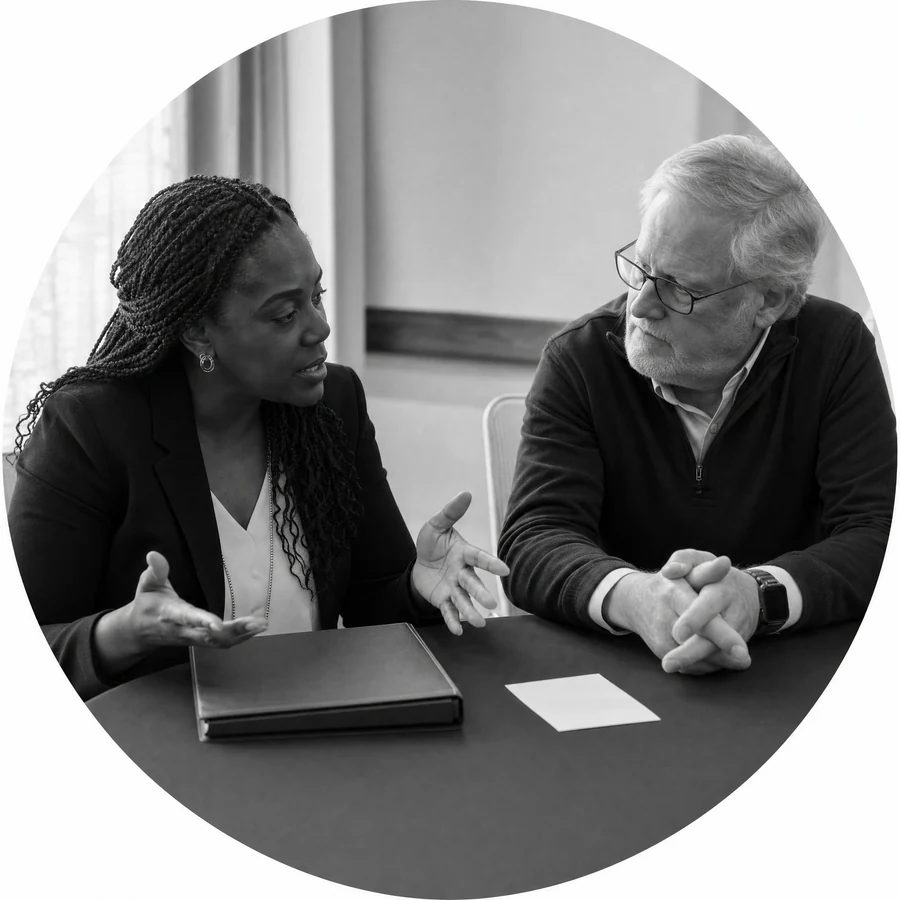
That is a training-design question before it becomes a retention question. What member-facing decision, conversation, or capability should be different because the person participated? If nobody can name it, adding another session may only make the calendar fuller.
Staff and volunteer leaders read the same program differently
Association staff speak with members every week. They know which questions recur, which sessions fill, and which chapter is being held together by one person. Their instinct is to serve the members who are here, asking what they are asking now.
Board and committee volunteers are members too. They hear different pressures in their workplaces and professions. Their terms are short, so their urgency is rational: they want to move the field while they have the chance.
Both views can be right. The seam is the meeting where those views must become one plan. A board proposes a direction the staff cannot resource. Staff return with what can be delivered. The approved compromise may be something neither side would have designed alone. It may also be something a member cannot explain at renewal.
That is one reason association training is distinct from nonprofit training. In many nonprofits, volunteers help deliver the mission. In an association, volunteers may also govern the organization while remaining customers of it. Authority, service, and member value meet in the same room.
Build practice across the handoffs members actually experience
ThinkingKap starts with your education staff, chapter or committee volunteers, and board leadership because each sees a different section of the member experience. Your people bring the situations and standards. We bring the learning and assessment design.
The build may include:
- Member conversations: practice for the chapter leader speaking with a member who no longer sees the value of dues, using a member with a credible reason to leave rather than an easy objection.
- Cross-role handoffs: scenarios that follow one member question from chapter leader to staff liaison to committee chair.
- Volunteer transitions: concise handover content organized around the first decisions a new chair or chapter leader will face, not a history of the role.
- Certification preparation: practice built from the committee’s approved material and the judgment the credential is meant to represent.
- Conference application: content designed for use after the badge comes off.
We can prepare scenarios, assessments, scripts, and support content for your member portal, volunteer hub, conference, or learning platform. Your team and providers remain responsible for configuring and operating those systems.
Keep certification difficulty tied to the work
Pressure to make a credential easier often arrives as a fair concern. A capable practitioner may fail and say the exam did not resemble the job. That feedback deserves attention. An assessment can be difficult for reasons the work is not.
The standard itself belongs to your certification committee and subject-matter experts. We do not decide what the credential should require. Our part is to design preparation and assessment experiences that make the committee’s standard visible in realistic practice.
Candidates should rehearse the decisions the credential exists to vouch for, including the ones where holding the standard costs time, a client, or social comfort. If the challenge reflects the work, members can understand what the credential means. If the challenge comes from the format, the design should not hide that fact.
Look for evidence in the language of the work
When training stays in the session, people repeat the session’s vocabulary: they "covered member value." When it crosses into the job, a chapter leader describes a Tuesday call with a member who was almost out the door and what she tried after the first answer landed badly.
The training is underneath that story and unnamed, which is where it belongs.
Other useful signals are specific: a volunteer brings staff a second-layer question because she handled the obvious version herself, or an incoming chair begins with the decisions in front of the committee.
These are observable learning and performance signals. They are not a promise that training alone will determine renewals, pass rates, or member revenue. If the real issue is the dues model or an unresolved governance decision, the useful training scope may be smaller than the original request.
Frequently asked questions
How is association training different from nonprofit training?
Association members fund the organization and can stop. Volunteers may govern it as well as receive its services. That changes what training can assume about authority, attendance, and who decides whether the program is valuable.
Can you build for volunteers who turn over every year?
Yes. Turnover becomes a design input. Volunteer content should fit the decisions and handoff rhythm of a short term rather than copy a staff curriculum.
Do you build conference content?
Yes. We design around what participants should be able to use after the conference, not only what works in the room.
What do you need from us?
Usually, education staff, representative volunteers, and a board or committee voice willing to say what they believe the association is for. The differences among those answers are useful source material.
Bring us two answers from the same renewal year
Ask a few members what the association gave them last year without letting them look anything up. Ask a board member the same question. If the answers describe different organizations, you have found the seam the next program needs to close.