
Two associates can close the same aisle at the same rate and get there through very different decisions. One is fast because she knows the pick path cold. The other is fast because she stopped confirming the locations she believes she cannot miss. Picks per hour records the result. It cannot tell you which kind of fast produced it.
ThinkingKap builds custom warehouse operations training around that difference. Working with your associates, leads, safety team, and systems owners, we turn the exceptions on your floor into practice for the moment when a good mental map stops matching the aisle in front of someone.
The shortcut often begins as expertise
An experienced picker does not skip a familiar confirmation because she forgot the process. She skips it because she has been right hundreds of times, the scanner makes the cost of every extra beat visible, and knowing the building is part of what makes her valuable.
That judgment works until something changes. Replenishment lands in the wrong face. Two similar cartons move next to each other. Packaging changes on a Thursday. A cycle-count correction reaches the system after the wave has started. The picker is still using real expertise; it is simply one shift out of date.
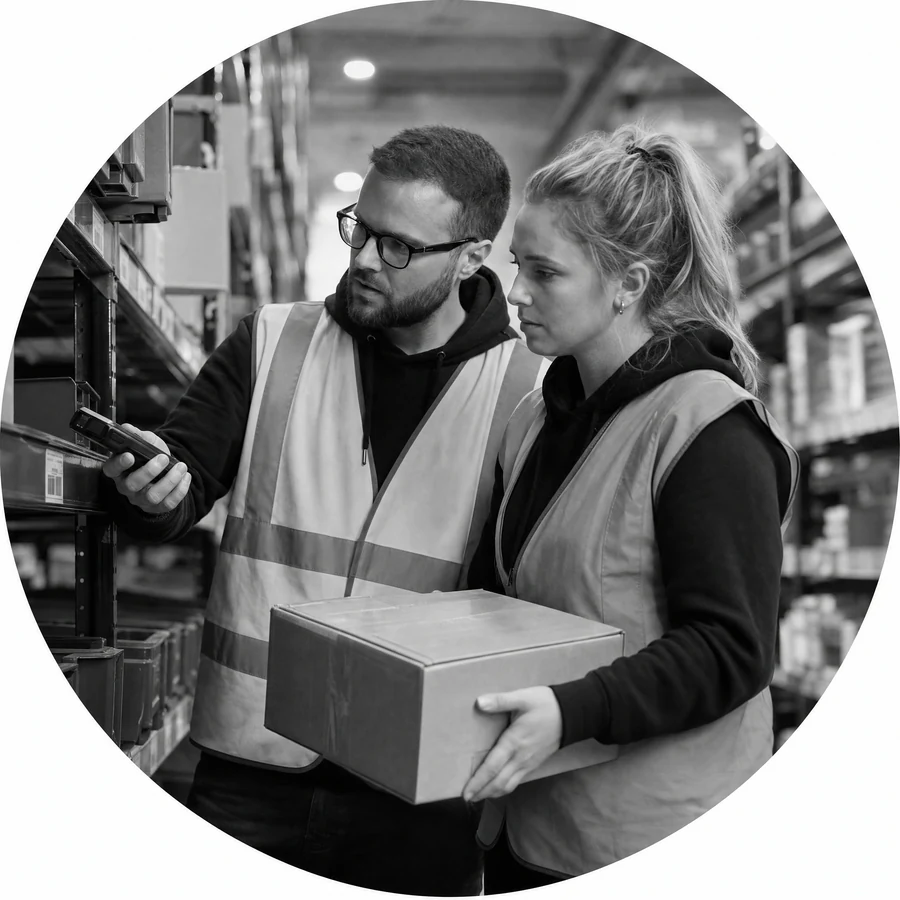
Another procedure review may remind her what the standard says. It does not help her detect the small signs that today is the day her memory needs to be checked.
Rate pressure belongs inside the practice
Warehouse training often removes the condition that makes the decision difficult. The example is clean, the aisle is quiet, and following the process costs nothing. That proves someone can identify the right answer when the floor has stopped behaving like a floor.
We build the pressure back in. A wave is behind. The next task has arrived. The familiar slot looks almost right. The learner must decide whether to keep moving, verify, hold the tote, or use the exception path your operation actually provides.
The goal is not to make experienced people distrust everything they know. It is to help them discriminate between a normal pick and one that only looks normal, quickly enough for the careful response to remain workable.
Build from the floor your people actually run
Your team supplies the operational truth. In working sessions, associates and leads identify the picks they run from memory, the exceptions that get handled differently by shift, and the points where speed and verification compete. Warehouse management system (WMS) owners show us the task sequence and prompts. Safety and operations leaders define the approved response.
From that material, we can build:
- scenarios using your slot language, task flow, exception path, and realistic rate pressure;
- role-specific practice for pickers, leads, material-handling operators, and pedestrians where their decisions interact;
- assessments that show whether someone notices the mismatch and executes the approved next step; and
- quick-reference content for exceptions that need a prompt more than another course.
We build the training content. We do not configure or maintain your WMS, learning management system (LMS), labor standards, or operational controls.
Some warehouse failures are not training failures
Two high-volume products in nearly identical cartons and adjacent slots can defeat people who are paying attention. So can a blocked sightline, an exception path nobody can complete at working speed, or a labor standard that makes every careful choice feel like falling behind.
Training may surface those conditions. It cannot engineer them away. Those decisions belong with the people who own your layout, systems, staffing, and performance measures. Naming that boundary early keeps the course from becoming an expensive explanation for a problem the floor still contains.
Common questions
We already run onboarding and annual safety training. Where does this fit?
Keep them. Onboarding teaches the documented floor to someone who does not know it yet, and required safety training serves its own purpose. This work is for the experienced person whose speed now depends on knowing when the documented floor has changed.
Can you build around our WMS and warehouse layout?
Yes, using screens, task behavior, terminology, and layout detail your team approves and supplies. ThinkingKap designs the practice and supporting content; your systems remain yours.
Is this the same as logistics or fleet training?
No. Warehouse operations stays inside the four walls: the pick path, slot, scanner, powered-equipment interaction, and dock. Logistics and supply chain training follows inventory between sites and parties. Fleet training follows the vehicle, yard, and road.
Bring us the aisle your best people run from memory
One recurring exception is enough to begin. We will help you separate what people need to recognize and rehearse from what the operation itself needs to repair.